

Battery Care & Longevity Guide
How to extend the life of your electric bike, scooter, dirt bike, or moped battery
Your battery is the heart of your PEV (Personal Electric Vehicle).
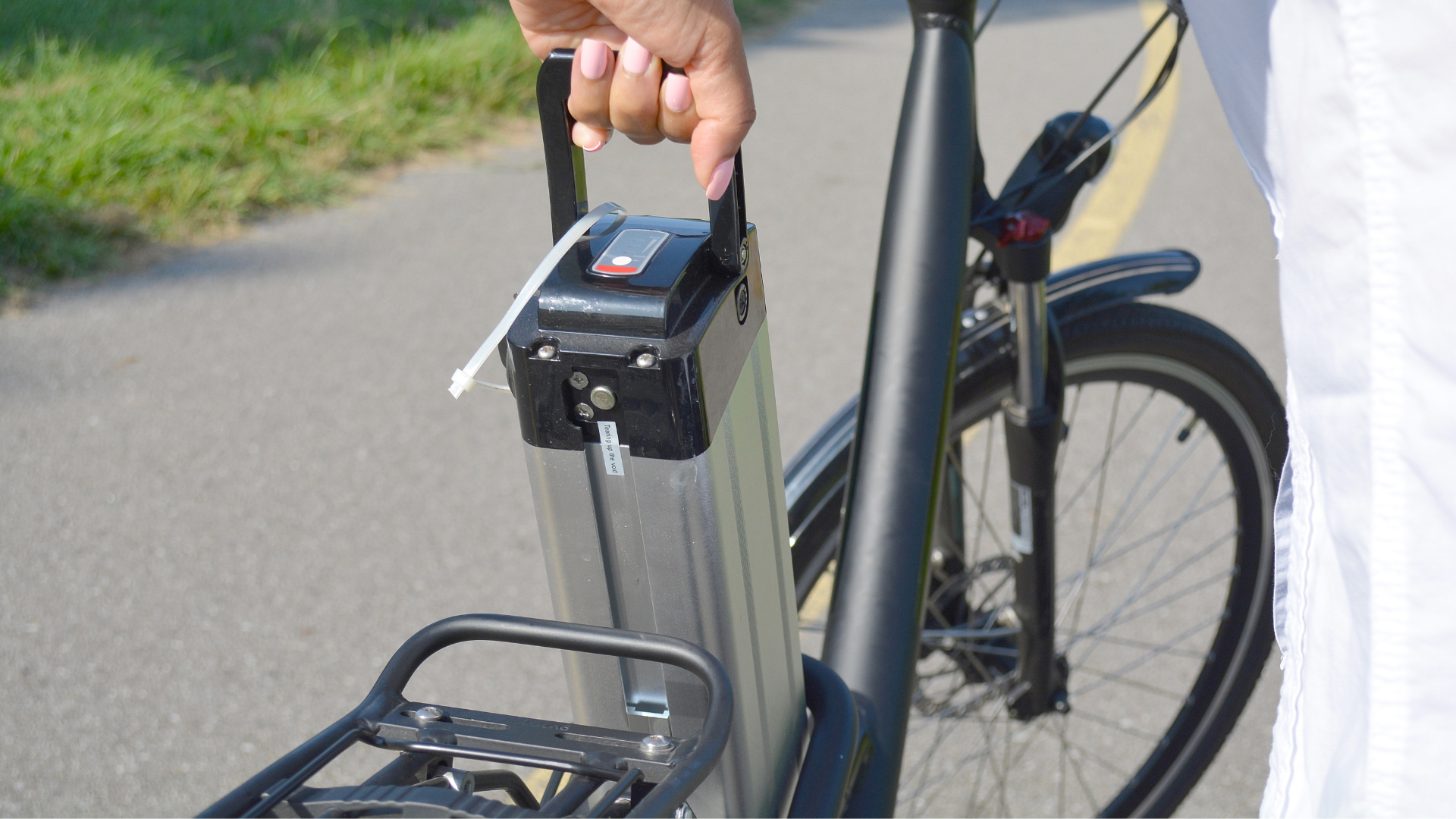
Whether you ride an electric bicycle, electric scooter, electric dirt bike, electric moped, or full electric motorcycle, your lithium battery pack is the single most expensive component on the machine.
The good news? Proper battery care can extend lifespan by years.
At Radmoto, we’ve seen batteries last 2–3x longer when owners follow basic lithium-ion best practices. This guide will help you maximize range, protect your investment, and avoid expensive replacements.
Why Battery Care Matters
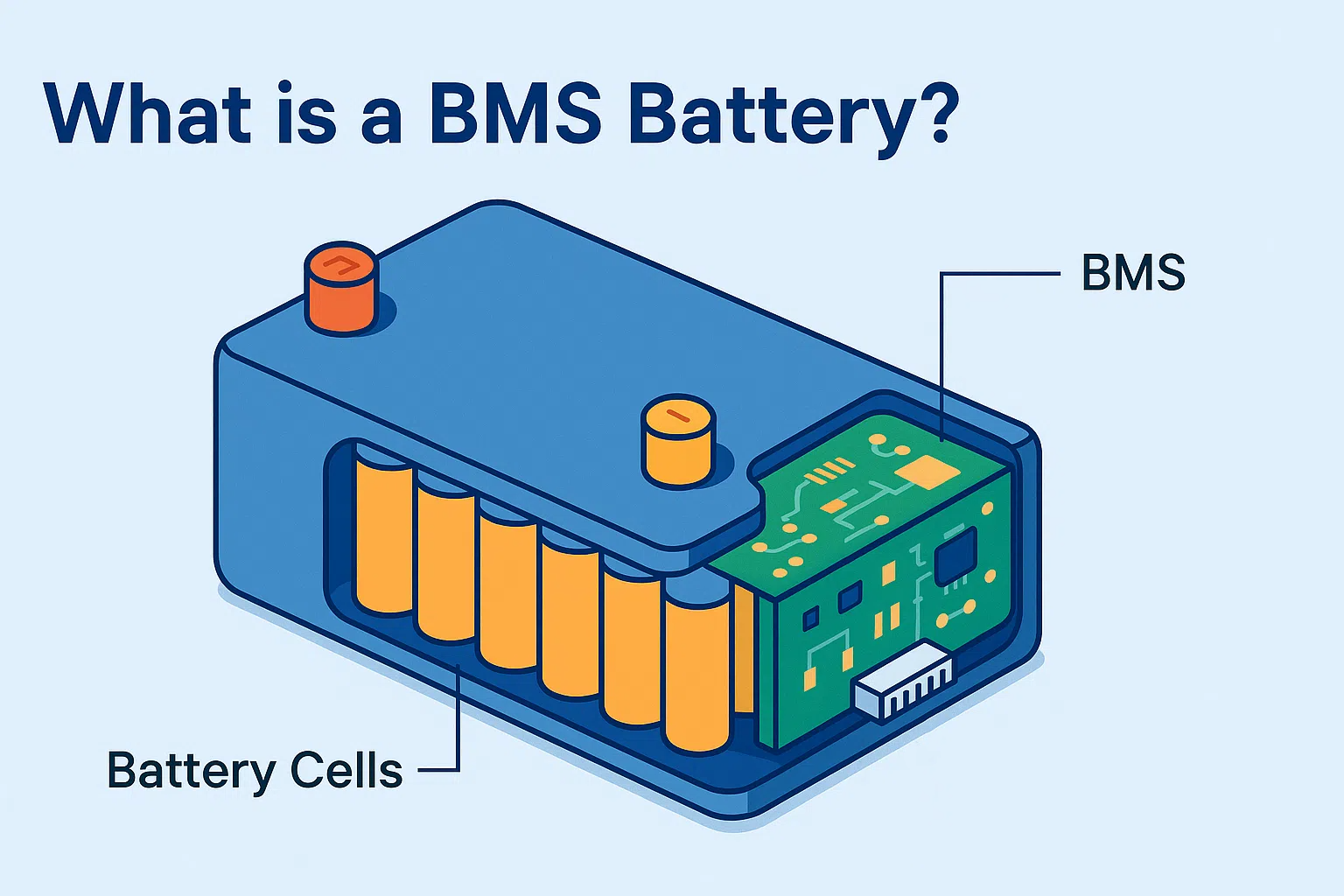
Most modern PEVs use lithium-ion battery packs made up of dozens (sometimes hundreds) of individual 18650 or 21700 cells managed by a Battery Management System (BMS).


Battery replacements can cost:
-
$400–$900 for e-bikes
-
$800–$2,000+ for scooters
-
$2,000–$4,000+ for electric dirt bikes and mopeds
Proper care can significantly slow capacity loss and extend usable life by 30–100%, depending on riding habits and climate.
1. Keep Your Battery in the Ideal Charge Range (20%–80%)
Lithium batteries prefer the middle.
Best Practice:
-
Store between 20% and 80%
-
Avoid leaving at 0%
-
Avoid sitting at 100% for long periods
When stored full or empty, cells experience increased stress, accelerating degradation.
If you're not riding for weeks:
-
Charge to ~60%
-
Store indoors at moderate temperature
This alone can add years of health to your battery pack.
2. Temperature Is Critical
Lithium batteries hate extremes.
Do NOT:
-
Charge below freezing
-
Store in freezing garage long-term
-
Leave inside hot vehicle in summer
Ideal Conditions:
-
Store above freezing (40–70°F is great)
-
Let a cold battery warm to room temp before charging
Charging a frozen lithium battery can cause permanent internal damage.
In cold climates (hello, New England), bring removable batteries indoors during winter.
3. Use the Correct Charger
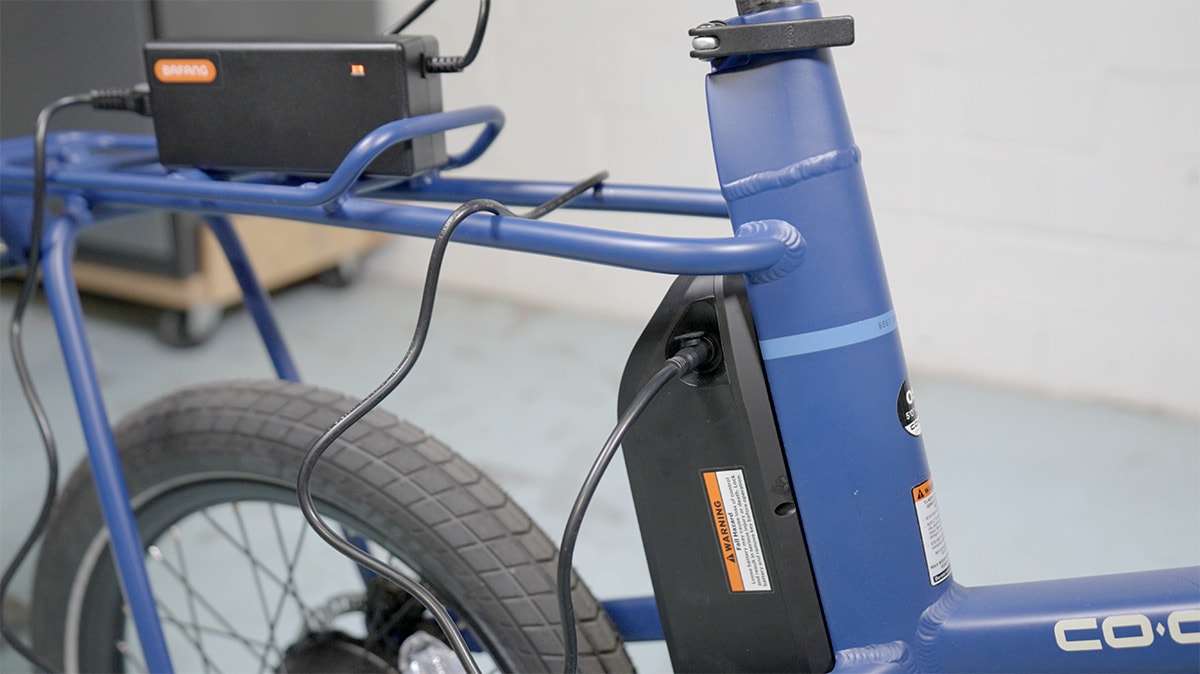


Always use:
-
Manufacturer-approved charger
-
Correct voltage rating
-
Proper amperage
Using the wrong charger can:
-
Overheat cells
-
Stress BMS
-
Cause imbalance
-
Shorten lifespan
Fast chargers are convenient — but frequent high-amp charging generates more heat and wear. Use fast charging sparingly when possible.
4. Sometimes Your Battery Isn’t Dead (It’s the BMS)
Modern battery packs include a Battery Management System (BMS).
The BMS protects the battery by shutting it down if it detects:
-
Over-discharge
-
Over-voltage
-
Cell imbalance
-
Over-current
-
Temperature issues
Sometimes customers think their battery “died” when really:
-
The BMS triggered protection mode
-
The pack needs a reset
-
One cell group dropped too low
If your bike won’t power on:
-
Plug into charger
-
Let it sit 10–20 minutes
-
Check for BMS reset
If problems persist, a shop with battery diagnostics can inspect it.
5. Avoid Running to Absolute Zero
Deep discharging (0%) is one of the fastest ways to degrade lithium batteries.
Occasional deep rides are okay.
But regularly draining completely:
-
Stresses cells
-
Increases imbalance
-
Accelerates capacity fade
Try to recharge when you hit ~20–30%.
6. Long-Term Storage Checklist
If storing your PEV for winter:
✔ Charge to ~60%
✔ Remove battery if possible
✔ Store indoors above freezing
✔ Check every 4–6 weeks
✔ Top up to 60% if needed
Never leave a battery fully depleted all winter. That’s how packs become unrecoverable.
7. Aftermarket Controllers & High Power Settings
Upgrading your controller for more torque is fun.
But higher current draw:
-
Increases heat
-
Increases stress
-
Shortens battery lifespan
Make sure:
-
Your battery is rated for the controller output
-
Tuning matches battery capability
We’ve seen mismatched setups degrade packs much faster than expected.
8. What Battery Aging Actually Looks Like
Normal aging includes:
-
Slight reduction in range over years
-
Slight voltage sag under heavy load
-
Longer charging time
Abnormal aging includes:
-
Rapid loss of range
-
Sudden shutdown under load
-
Swelling
-
Persistent BMS errors
If you notice abnormal behavior, get it inspected early.
How Long Should a PEV Battery Last?
With proper care:
-
3–7+ years typical
-
700–1,000+ charge cycles possible
-
Longer in moderate climates
Without proper care:
-
Significant degradation in 1–2 years
Battery longevity depends heavily on temperature, charge habits, and riding style.
Final Thoughts: Protect the Most Expensive Part of Your Ride
Your electric bike, scooter, dirt bike, or moped is only as good as its battery.
Treat it well and you’ll get:
-
Better range
-
More consistent power
-
Higher resale value
-
Fewer expensive surprises
At Radmoto, we offer battery diagnostics, inspections, and performance consultations for all types of personal electric vehicles.
Take care of your battery — and it’ll take care of your ride. ⚡